
Optimal Timing for Tree Removal
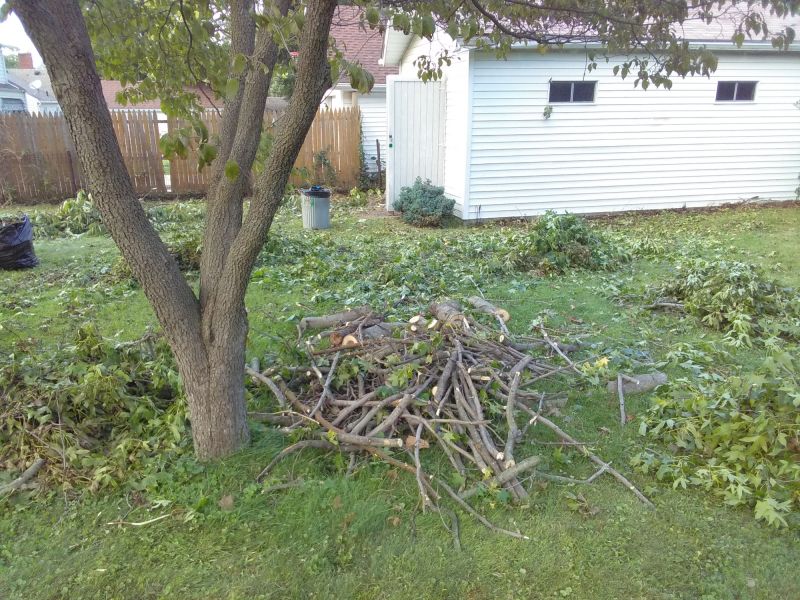
Spring is a popular time for tree removals due to active growth and accessible branches.
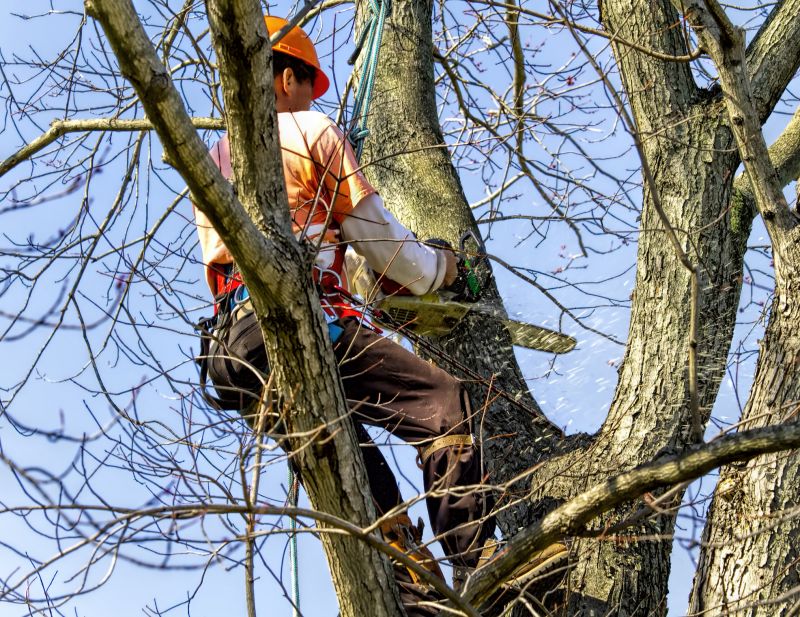
Summer offers longer daylight hours, but high temperatures can affect safety and equipment efficiency.
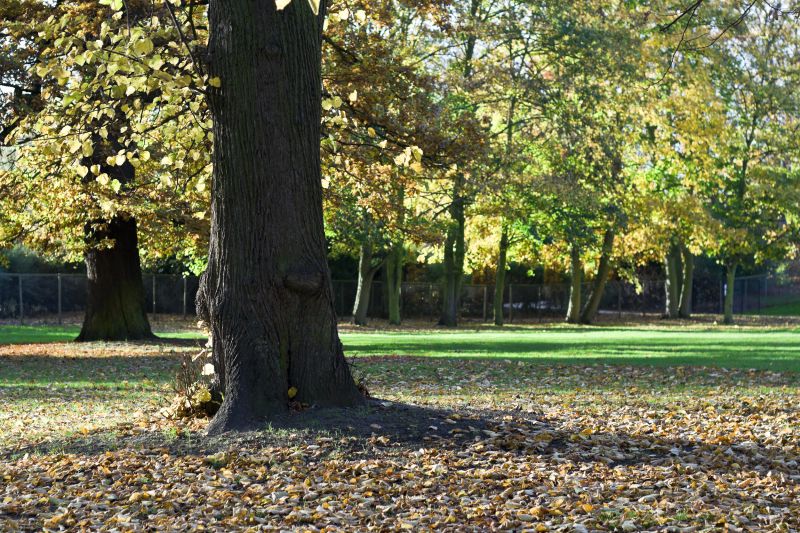
Fall provides cooler temperatures and less sap flow, making it suitable for certain removals.
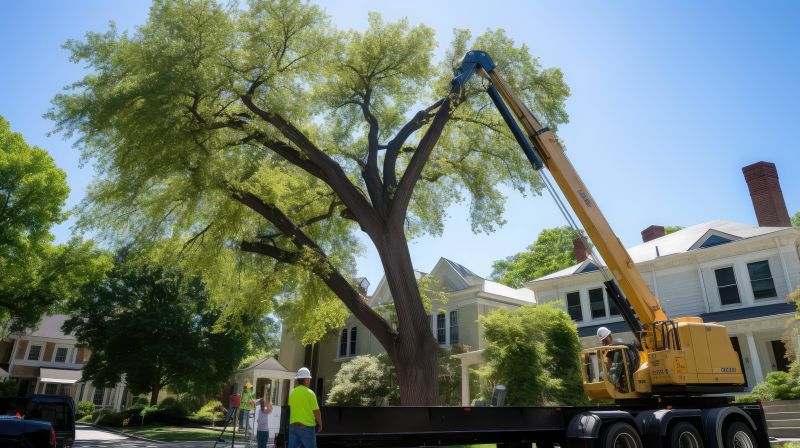
Ways to make Tree Removals work in tight or awkward layouts.
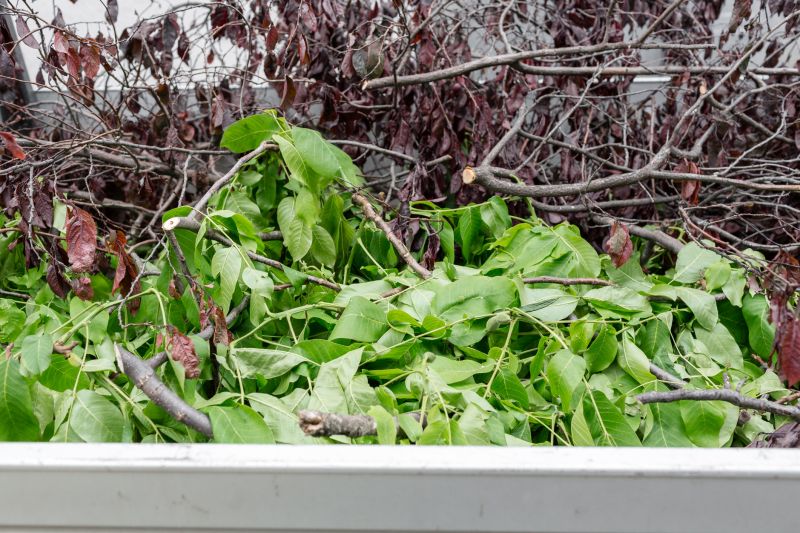
Popular materials for Tree Removals and why they hold up over time.
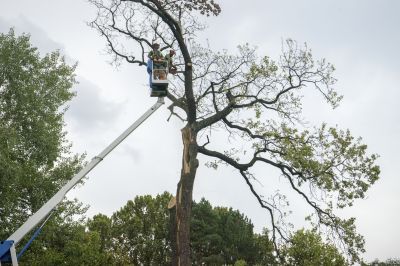
Simple add-ons that improve Tree Removals without blowing the budget.
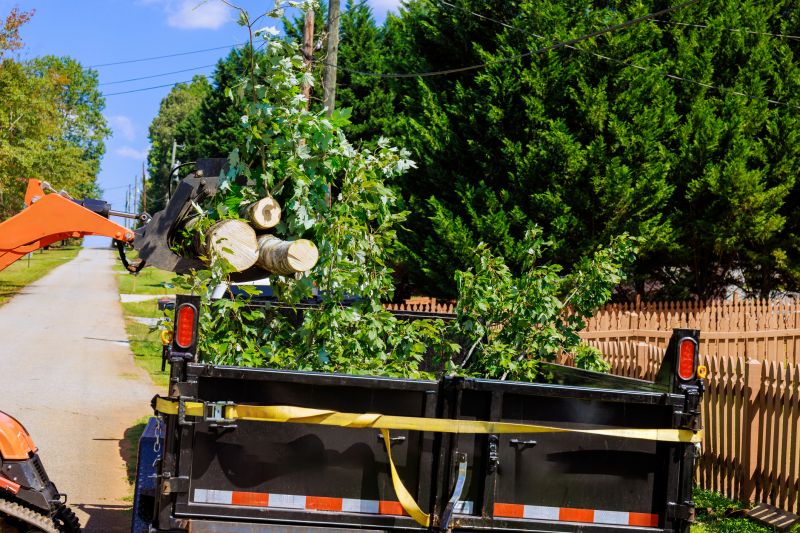
High-end options that actually feel worth it for Tree Removals.
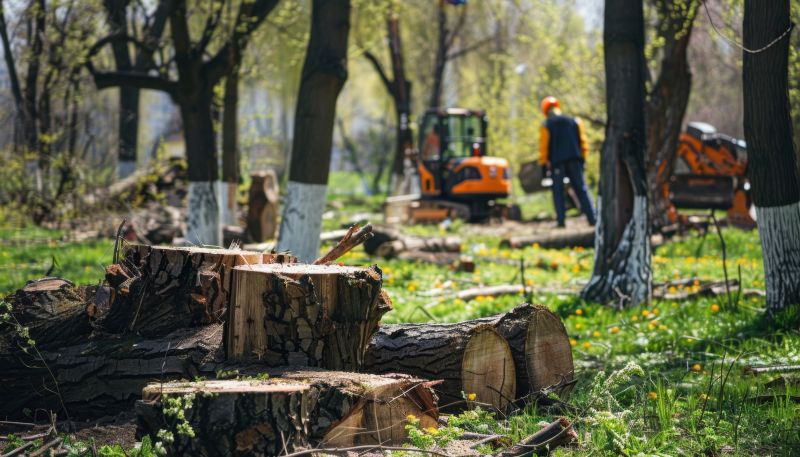
Finishes and colors that play nicely with Tree Removals.
Tree removal is a critical service for maintaining safety, health, and aesthetics of landscapes. The timing of removal can influence the process's safety and effectiveness. Proper timing considers factors such as tree species, weather conditions, and the purpose of removal. Typically, late fall and winter are preferred for many removals because trees are dormant, reducing stress and sap flow. However, specific circumstances may necessitate removal during other seasons.
Choosing the right season can minimize impact on surrounding vegetation and reduce the risk of disease spread.
Avoiding removal during extreme weather, such as storms or high winds, ensures safety and reduces complications.
Understanding the growth cycle helps determine the best time to prevent damage or disease.
Seasonal timing can improve safety for workers and property by reducing hazards.
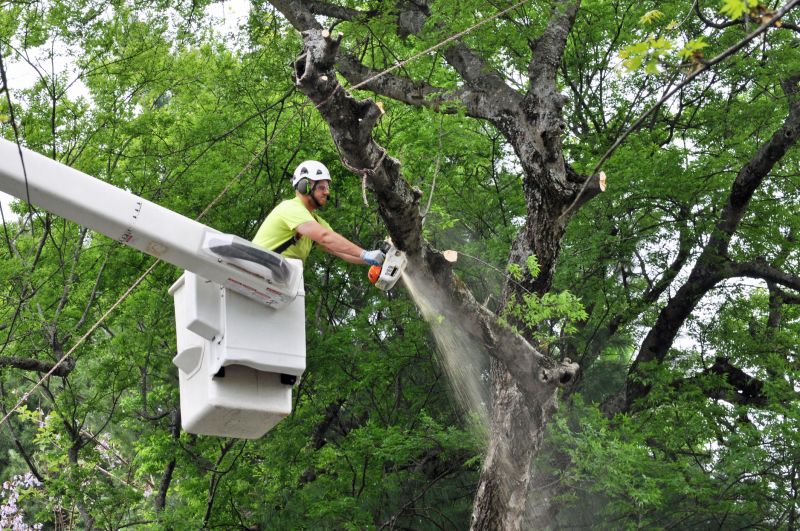
Proper equipment is essential for safe and efficient tree removal.

Dormant season removals typically cause less stress to surrounding plants.

Removing trees before spring growth can prevent damage and disease.
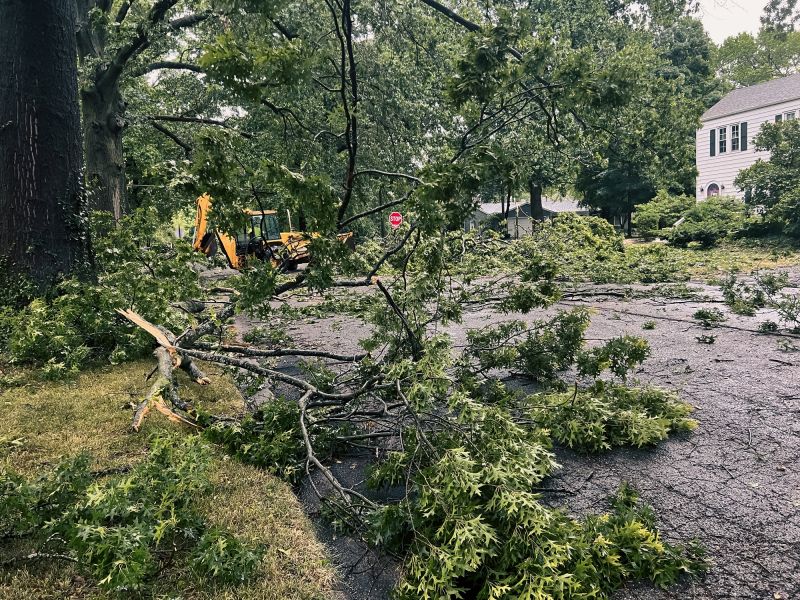
Monitoring weather ensures optimal conditions for removal activities.
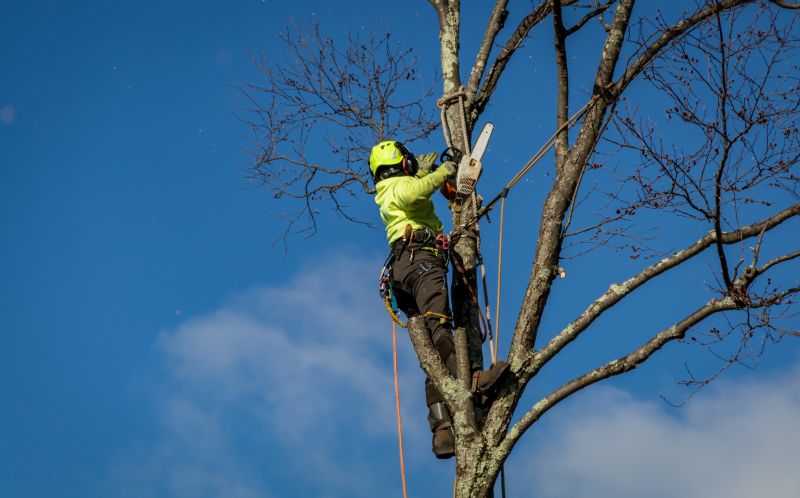
Assessing tree health helps determine the ideal time for removal.
Timing removals to align with landscape projects enhances visual appeal.
| Season | Best For |
|---|---|
| Winter | Dormant trees, less sap flow, minimal impact on surrounding vegetation |
| Spring | Before active growth, reduces disease risk |
| Summer | When removal is necessary despite high temperatures |
| Fall | Cooler temperatures, less sap flow, good for certain species |
| Late Fall | After leaf drop, ideal for many removals |
Understanding the seasonal timing for tree removals can help prevent unnecessary stress on remaining landscape elements and reduce potential health risks for property. Consulting with professionals to evaluate specific tree species and local climate conditions ensures the optimal timing for each removal project. Proper timing is essential for safety, tree health, and landscape aesthetics.
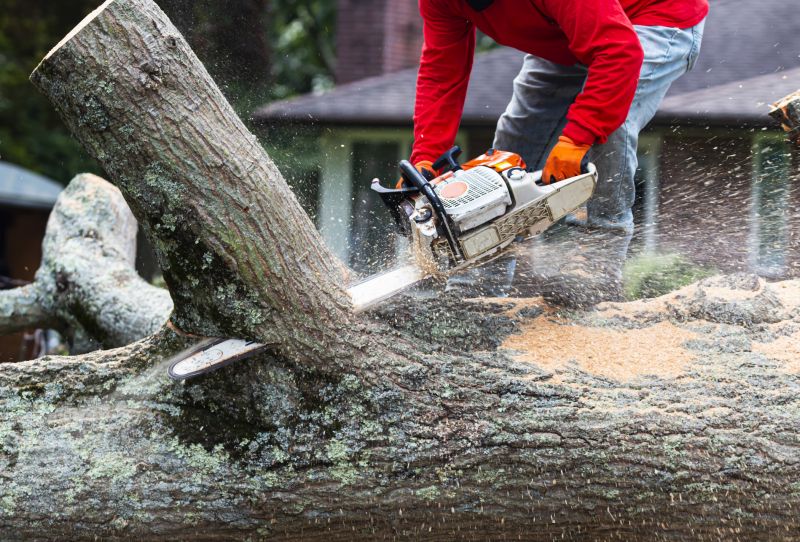
A step-by-step approach ensures safety and efficiency.
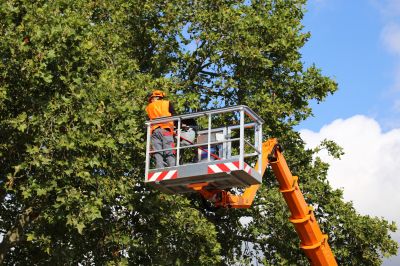
Different seasons influence the complexity and safety of removal.
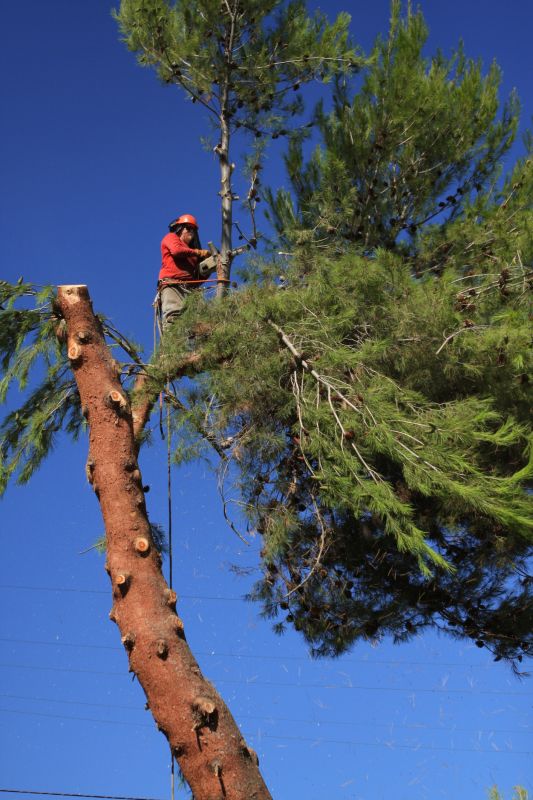
Proper gear is essential during all removal activities.
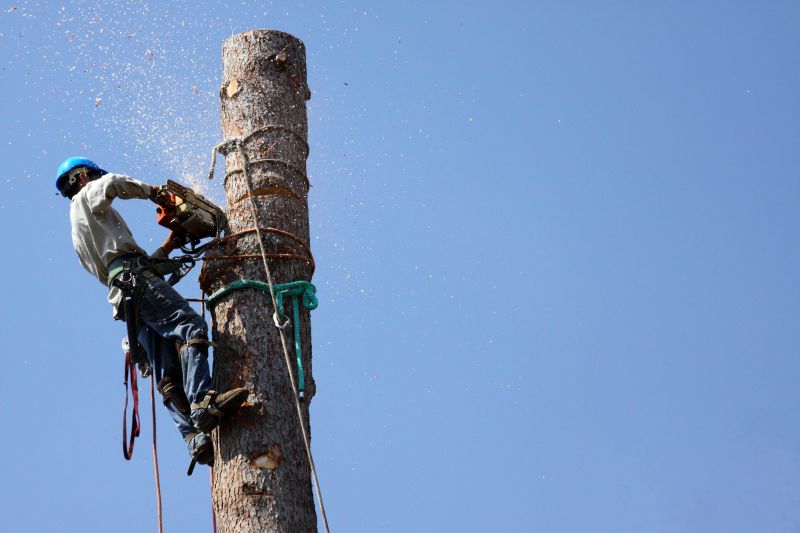
Pre-removal evaluation guides timing and technique.

Little measurements that prevent headaches on Tree Removals day.
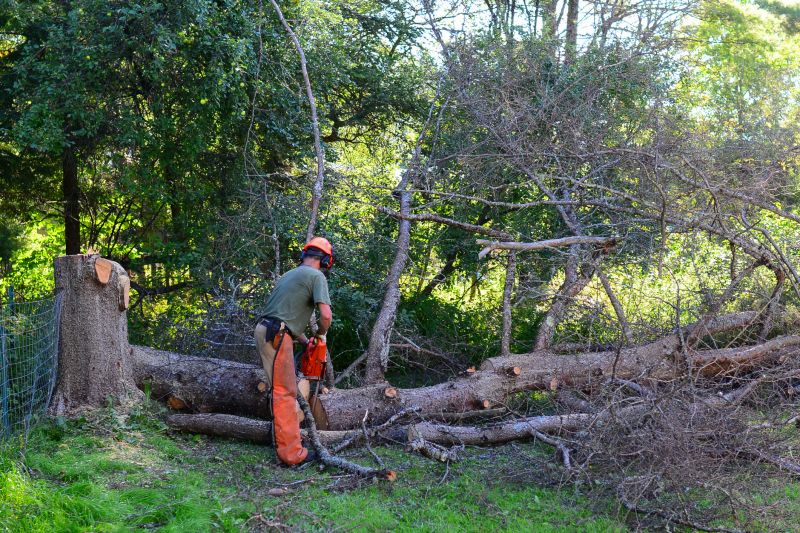
A 60-second routine that keeps Tree Removals looking new.
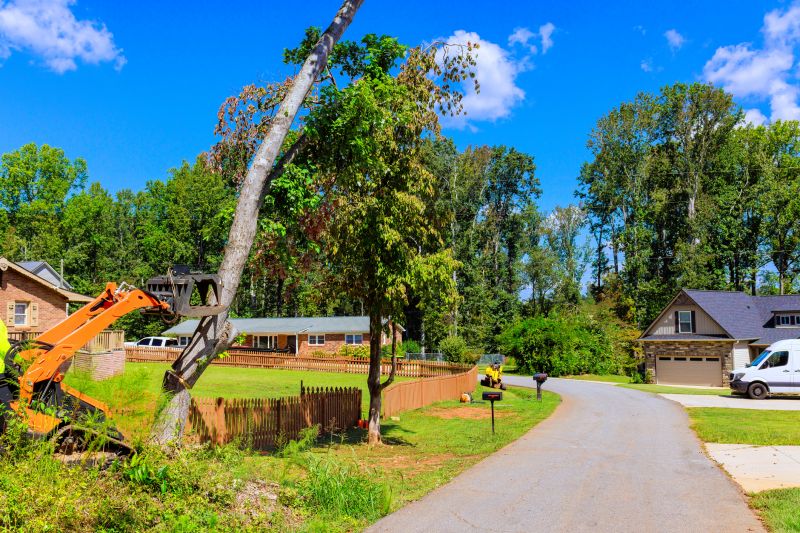
A frequent mistake in Tree Removals and how to dodge it.
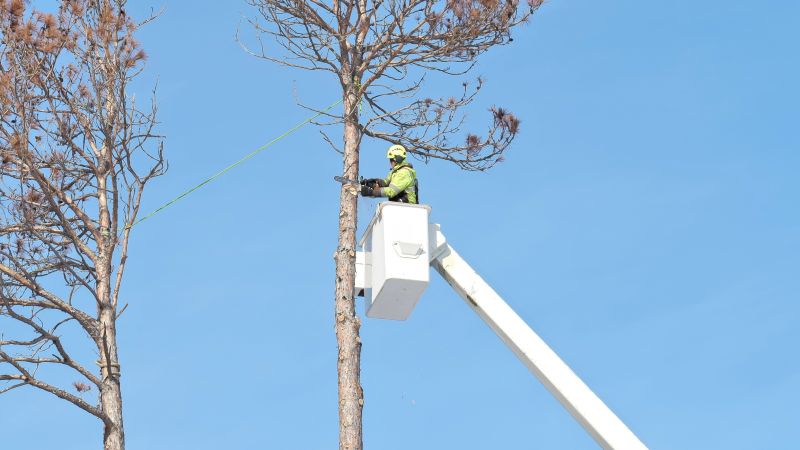
Small tweaks to make Tree Removals safer and easier to use.
Interested in scheduling a tree removal or learning more about optimal timing? Filling out the contact form can provide tailored guidance to meet specific landscape needs. Proper timing ensures safety, efficiency, and the health of remaining trees and plants.